
Guide
AI Director 2.0 Explained: Why No Two Runs Match
The AI Director 2.0 is the system behind Left 4 Dead 2's replay value: it reads your team's performance and reshapes enemies, weather, routes and pacing live.
 By Gavin Mercer, Android Gaming Reviewer
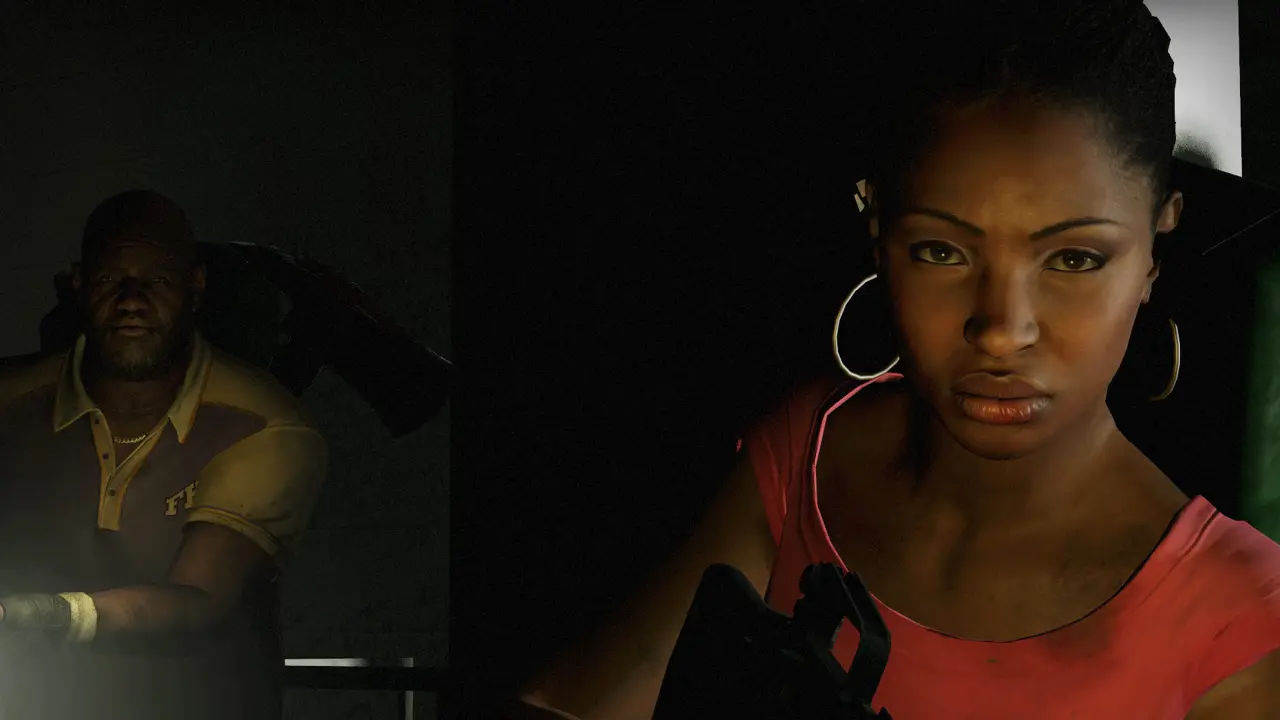
The AI Director is the invisible fifth player in every Left 4 Dead 2 run: a system that watches your team's performance and reshapes the campaign around it in real time. Version 2.0, built for the sequel, expanded its reach from enemy placement into weather, routes, lighting and level layout. It is the main reason a game from 2009 still produces sessions no one has played before.
This explainer breaks down what the Director measures, what it changes, and how experienced teams learn to read it and play against it. Once you understand the Director, the game's difficulty settings and pacing stop feeling random, because they were never random at all.
What the Director Measures
The Director tracks each survivor's situation continuously: health, accuracy, how fast the team is moving, how long since the last major threat, and a stress measure that rises under attack and decays in calm. A team cruising at full health is, in the Director's judgement, a team that can afford worse weather. Keep going with the Versus mode guide for the neighbouring piece of the picture.
Those readings drive an intensity cycle of build-up, peak and relax. The game deliberately alternates pressure and breathing room, because constant maximum threat reads as noise. The quiet street after a horde is not mercy and not luck; it is the system pacing you, and spending it well is a skill. For the verified figures behind this, the L4D2 Android guide on the homepage keeps the full game record in one place.
What the Director Changes
Enemy population and placement are the obvious levers: horde timing, Special Infected selection and ambush points all shift between runs. In the sequel the levers multiplied. The Director can change the weather, which in Hard Rain means real visibility and sound consequences, and it can open or close routes through a map, so last run's shortcut may be fenced off tonight.
It also shapes the small things: item placement, which rooms hold supplies, and the music, which is generated against your personal intensity reading. Two players on the same team can be hearing different scores in the same fight. Our the co-op teamwork guide covers the connected ground in the same spirit.
Playing Against the Director
You cannot switch it off, but you can read it. After a peak, move fast and loot during the relax phase instead of healing slowly in place; the next build-up is already scheduled. When the game goes quiet for too long, expect the correction to arrive with interest, and set up accordingly.
Difficulty settings tune the Director's aggression rather than replacing it, which is why raising difficulty changes the feel of a campaign instead of just enemy health. Expert runs are a negotiation with a system that has watched you play, and winning that negotiation is the sequel's real endgame.
The Director in Versus and Survival
Versus mode hands part of the Director's job to humans, and the comparison is instructive. Human infected choose their ambush moments with patience the system never shows, which is why Versus feels crueller. Yet the Director still schedules Tanks, Witches and horde pressure for both teams symmetrically, keeping the contest fair even while the players make it personal.
Survival mode strips the Director down to escalation: waves arrive on a tightening schedule and the system's only question is how long your corner holds. It is the purest measurement of the intensity cycle, because there is no relax phase to spend, only peaks arriving closer together until one of them lands.
Understanding these modes completes the picture of the campaign Director: it is not trying to kill you, and it is not trying to save you. It is trying to keep the session inside a band of tension where both outcomes feel possible. Every design choice that looks like mercy or spite is that band being defended, and it is why the game feels fair even when it is being ruthless.
- Measures: health, pace, accuracy, time since last threat
- Cycle: build-up, peak, relax
- Version 2.0 adds: weather, routes, layout, lighting
- Music is generated per player from personal intensity
- Difficulty tunes the Director, never replaces it
- Versus: humans direct ambushes, system keeps symmetry
The Short Version
The AI Director 2.0 is the system behind Left 4 Dead 2's replay value: it reads your team's performance and reshapes enemies, weather, routes and pacing live. Everything above is the long version of that sentence, with the evidence, the steps and the exceptions a short answer has to leave out.
If you take one habit from this guide, make it this: keep the team in sight. Left 4 Dead 2 is built around four survivors covering each other, and almost every other lesson in the game grows out of that one.
Quick Answers
What is the AI Director in Left 4 Dead 2?
An adaptive system that monitors team performance and adjusts enemy placement, pacing, weather, routes and music in real time.
What did version 2.0 add?
Control over weather, level layout, pathways, world objects and time-of-day lighting, beyond the original's enemy and pacing control.
Can you disable the AI Director?
Not in normal play. Difficulty settings adjust its behaviour, but the adaptive pacing is core to the game's design.
Why does the game go quiet after a horde?
The Director cycles intensity deliberately: peaks are followed by relax phases so pressure stays readable and recoverable.